
Ceiling Plastering in Caroline Springs, Melbourne
Compare ceiling plastering specialists in Caroline Springs using ABN, profile, public review, and referral signals where available. Typical plastering rates in VIC range from $45–$90/hr.
1 Checked Ceiling Plastering Specialists in Caroline Springs
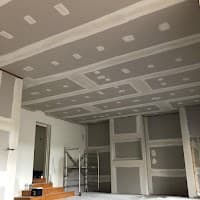
How Much Does Ceiling Plastering Cost in Caroline Springs?
The following cost estimates are based on industry averages for plastering work in VIC. Actual prices will vary based on the scope of work, materials required, and access. Always get 2–3 written quotes before proceeding.
Typical Range
$45–$90
/hr
Emergency Rate
$135
After-hours / urgent
Free Quotes
2–3
Always get multiple
Price estimates only. Confirm scope, timing, and final cost with your chosen tradie before work begins.
Ready for exact prices? Get 2–3 free quotes for ceiling plastering.
Get Free QuotesMaterials You'll Need for Ceiling Plastering
What a tradie typically uses for ceiling plastering, with current retail price ranges. Your tradie usually supplies these — the quote should itemise them.
- Plasterboard sheet 10mm 2400x1200 · sheetceiling sheets$27.89–$96.59
- Plasterboard topping compound · 20kg$34.19–$73.34
- Plasterboard jointing tape · roll$6.28–$20.45
Rough materials total
$68.36–$190
Core items only — labour is on top (see cost guide above)
Price ranges sampled from major Australian hardware retailers (July 2026). Estimates only — quantities and final costs depend on your job. Always confirm inclusions in writing with your tradie.
Plastering Licensing Requirements in VIC
In Victoria, plastering as part of domestic building work over $10,000 requires a registered building practitioner. The VBA registers plasterers under the Domestic Builder (Unlimited) or (Limited) category.
Other Plastering Services in Caroline Springs
Also looking for related plastering work in Caroline Springs?
Frequently Asked Questions About Ceiling Plastering in Caroline Springs
How much does it cost to replace a ceiling in Australia?
Replacing a ceiling in Australia costs $45–$90 per hour for a licensed plasterer, with materials on top: a 10mm plasterboard sheet runs about $55, plus roughly $63 for topping compound and $9 for jointing tape per room. A standard bedroom ceiling typically takes a day or two of labour to sheet, set and finish.
What is the cheapest way to cover a ceiling?
The cheapest way to cover a dated ceiling is skimming fresh setting compound over sound existing plasterboard, far less than full replacement labour. Where the ceiling sags or has water damage, new 10mm plasterboard sheets ($28–$97 each) are the more durable fix, fitted by a licensed plasterer at $45–$90 per hour.
How long does it take to plaster a ceiling?
Plastering a single room ceiling typically takes a licensed plasterer one to two days, covering sheeting, taping joints, applying topping compound and sanding back between coats, plus drying time between layers. Larger ceilings or homes with cornice work take longer. Expect labour at $45–$90 per hour on top of plasterboard and compound materials.
How much does gyprock repair cost in Australia?
Small hole repairs typically cost $80–$200. Repairing a large section of wall or ceiling ranges from $300–$800. Full room replastering can cost $1,500–$4,000+ depending on size and condition.
Do I need a licensed plasterer?
In most Australian states, plastering work over a certain threshold (e.g., $10,000 in Victoria) requires a registered building practitioner. For smaller jobs, using a licensed plasterer is still strongly recommended for quality and warranty reasons.
How long does gyprock repair take to dry before painting?
Plaster compound typically needs 24–48 hours to dry fully between coats, and a minimum 48–72 hours before painting. In humid conditions (common in coastal areas), allow extra drying time.
What's the difference between cornice cement and plaster?
Cornice cement is a pre-mixed adhesive/filler specifically for attaching and patching cornice. Plaster is the base compound for walls and ceilings. Each product has different drying times and finishing properties — using the wrong one is a common DIY mistake.
Can I plaster over existing tiles?
It's possible but not always recommended. A plasterer needs to ensure the tiles are soundly bonded, properly prepared with bonding agent, and the weight load is appropriate. Direct plastering over tiles is common for fire-rated walls.