
Kitchen Splashback Tiling in Vasse, Busselton
Compare kitchen splashback tiling specialists in Vasse using ABN, profile, public review, and referral signals where available. Typical tiling rates in WA range from $45–$120/m².
1 Checked Kitchen Splashback Tiling Specialists in Vasse
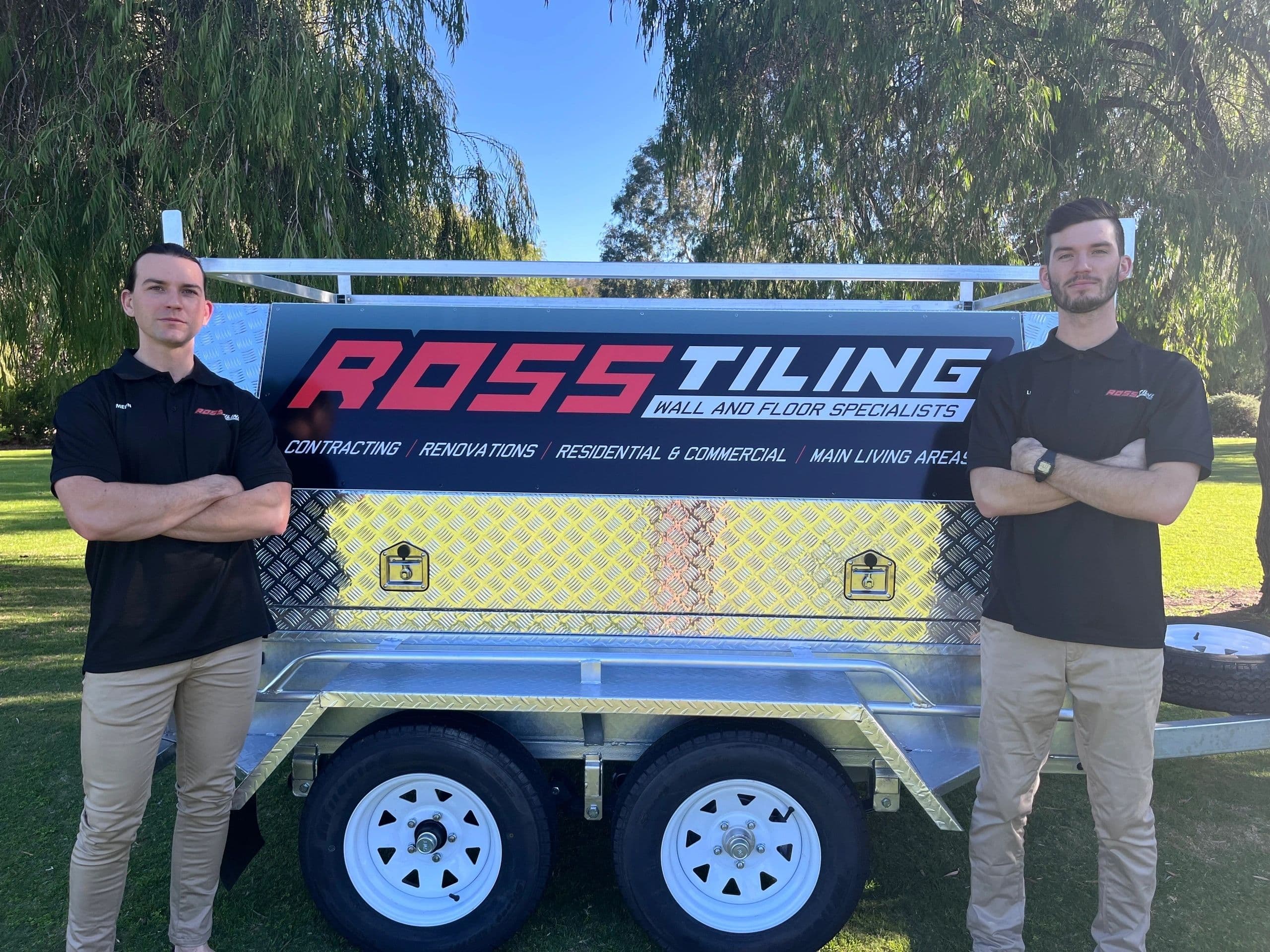
How Much Does Kitchen Splashback Tiling Cost in Vasse?
The following cost estimates are based on industry averages for tiling work in WA. Actual prices will vary based on the scope of work, materials required, and access. Always get 2–3 written quotes before proceeding.
Typical Range
$45–$120
/m²
Emergency Rate
$180
After-hours / urgent
Free Quotes
2–3
Always get multiple
Price estimates only. Confirm scope, timing, and final cost with your chosen tradie before work begins.
Ready for exact prices? Get 2–3 free quotes for kitchen splashback tiling.
Get Free QuotesMaterials You'll Need for Kitchen Splashback Tiling
What a tradie typically uses for kitchen splashback tiling, with current retail price ranges. Your tradie usually supplies these — the quote should itemise them.
- Ceramic wall tiles · per m²~3-5m²$14–$58.90
- Tile adhesive 20kg · 20kg bagx1$15–$61.64
- Tile grout 5kg · 5kg bagx1$12.19–$32.82
- Aluminium tile trim · 2.5m length$10.82–$54.02
Rough materials total
$52.01–$207
Core items only — labour is on top (see cost guide above)
Price ranges sampled from major Australian hardware retailers (July 2026). Estimates only — quantities and final costs depend on your job. Always confirm inclusions in writing with your tradie.
Tiling Licensing Requirements in WA
In WA, tiling does not require a specific trade licence, but work over the home improvement threshold requires building services registration.
Other Tiling Services in Vasse
Also looking for related tiling work in Vasse?
Frequently Asked Questions About Kitchen Splashback Tiling in Vasse
How much does a kitchen splashback cost to tile in Australia?
A tiled kitchen splashback in Australia typically costs $45–$120 per square metre supply and install. Ceramic wall tiles run $14–$59 per square metre, plus adhesive and grout, so a standard 3 to 4 square metre splashback often totals $200–$500 in materials before labour. Mosaic or feature tiles push the price toward the higher end.
What is the best tile for a kitchen splashback?
Ceramic and porcelain tiles are the most popular kitchen splashback choice in Australia, since they resist heat, grease, and staining while being easy to wipe clean. Glass and mosaic tiles suit a feature look but cost more and can be trickier to grout cleanly around powerpoints and rangehoods. Gloss finishes brighten a kitchen and make cleaning easier.
How long does it take to tile a kitchen splashback?
Tiling a standard kitchen splashback usually takes a tiler one day, covering measuring, cutting around powerpoints, laying tiles, and grouting once the adhesive has set. Larger or more intricate patterns, like herringbone or mosaic, can take an extra day. Allow another day before the grout fully cures if you plan to use the stovetop straight away.
How much does tiling cost per square metre in Australia?
Tiling labour typically costs $45–$120/m² depending on tile size, pattern complexity, and location. Large format tiles (600x600+) cost more due to difficulty of installation. Supply and install packages including tiles range from $80–$200/m².
Do I need to waterproof before tiling a shower?
Yes — wet area waterproofing before tiling is mandatory under Australian Standard AS 3740 and the National Construction Code. This must be performed by a qualified installer and must cure fully before tiling begins. Failure to waterproof is the leading cause of shower leaks.
What is the difference between ceramic and porcelain tiles?
Porcelain tiles are denser, less porous, and more durable than ceramic — making them better for floors and wet areas. Ceramic tiles are lighter, easier to cut, and typically cheaper, making them suitable for wall applications and lower-traffic areas.
How long does tiling take to dry before use?
Standard tile adhesive takes 24–48 hours to set before grouting. Grout cures in 24 hours for foot traffic, but allow 72 hours before full use of showers. Epoxy grout cures faster but is harder to work with.
What size grout joint should I use?
Rectified tiles can use joints as small as 1.5–2mm. Non-rectified tiles need 3–5mm joints to accommodate size variation. Large format tiles typically use 3mm joints minimum. Your tiler will recommend the right joint for your tile type.