
JRM Stonework — Stonemasonry in Aldinga Beach
JRM Stonework
Contact & Location
Phone
0438 449 968Own this business?
Claim your free profile →
About the Business
Looking for jrm stonework in Aldinga Beach? JRM Stonework helps customers in Aldinga Beach, Adelaide, SA compare options, review completed work, and request free quotes for general contractor, service.
JRM Stonework brings servicing jobs within 20 km to customers across Aldinga Beach, Adelaide, SA.
JRM Stonework is a top-rated stonemasonry business serving Aldinga Beach, SA. With a 5-star rating from 11 reviews, they are one of the most trusted stonemasonry providers in the area. Specialising in professional stonemasonry services, JRM Stonework delivers quality workmanship and reliable service. Contact them today for a free quote.
Expertise & Services
Services include General Contractor, Service. Compare quotes, review past work and connect with this business through TradeRefer.
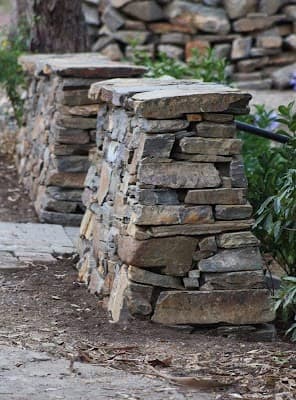
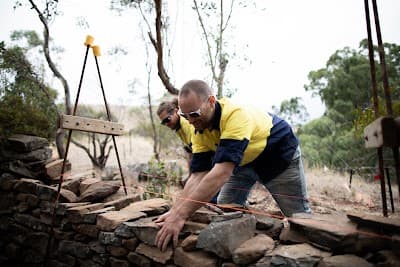
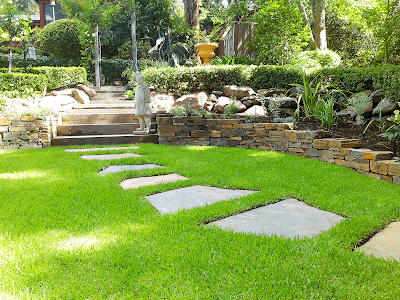
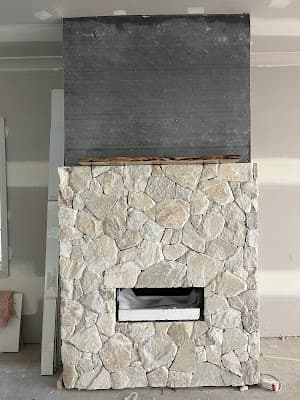
Project GalleryStonemasonry


Trust & Reliability
5.0
TradeRefer Score
Rating
11 reviews
0
Connections
Frequently Asked Questions
General Stonemasonry questions for Aldinga Beach
How much does stonemasonry cost in Australia?
Stonemasonry labour costs $80–$160/hr. Natural stone feature walls cost $200–$600/m² installed (labour and materials). Sandstone restoration and repointing costs $150–$400/m². Stone retaining walls cost $500–$1,200 per linear metre depending on height and stone type. Heritage stonemasonry restoration commands premium rates due to specialised skills required.
What types of stone are most commonly used in Australian masonry?
Sandstone is the iconic Australian building stone — used extensively in heritage buildings in Sydney and Adelaide (Hawkesbury, Gosford sandstone). Bluestone (basalt) is common in Victoria and SA for heritage buildings and paving. Limestone is used in WA. Granite is used for benchtops and feature walls. Marble is used internally for high-end finishes. Reconstituted stone products offer a cost-effective alternative.
What is repointing and when is it needed?
Repointing is the removal of deteriorated mortar from between masonry units (stone, brick) and replacement with fresh mortar. It's needed when mortar is crumbling, cracked, recessed more than 5–10mm, or missing — allowing water ingress. Heritage buildings require lime mortar repointing to match the original composition and allow the building to breathe — cement mortar traps moisture and accelerates deterioration.
How do I maintain heritage sandstone on my property?
Sandstone is porous and requires careful maintenance: clean with low-pressure water and soft brushes — never high-pressure washing which erodes the surface. Repair damaged mortar joints with compatible lime mortar. Avoid sealers that trap moisture inside the stone. Engage a stonemason experienced in heritage work for any significant repairs.
What is the difference between reconstituted stone and natural stone?
Natural stone is quarried directly from the earth and cut to size — each piece is unique. Reconstituted (cultured or cast) stone is made from crushed natural stone aggregate mixed with cement and pigments, poured into moulds. Reconstituted stone is 30–60% cheaper, dimensionally consistent, and lighter than natural stone — but lacks the unique texture and longevity of the real thing.
Get a Free Quote
Expect a response within 24 hours.
Refer & Earn
Know someone who needs Stonemasonry services? Refer JRM Stonework and earn a reward when the job closes.