
Pro Coat Applications — Rendering in Punchbowl
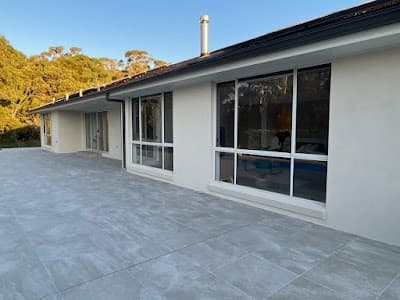
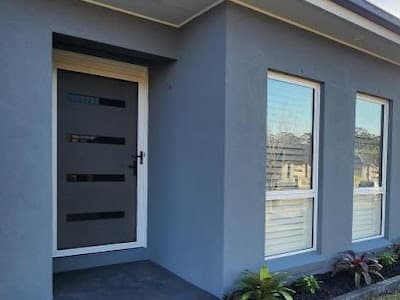
Pro Coat Applications
Own this business?
Claim your free profile →
About the Business
Looking for pro coat applications in Punchbowl? Pro Coat Applications helps customers in Punchbowl, Bankstown, NSW compare options, review completed work, and request free quotes for service.
Pro Coat Applications brings servicing jobs within 20 km to customers across Punchbowl, Bankstown, NSW.
Pro Coat Applications is a top-rated rendering business serving Punchbowl, NSW. With a 5-star rating from 11 reviews, they are one of the most trusted rendering providers in the area. Specialising in professional rendering services, Pro Coat Applications delivers quality workmanship and reliable service. Contact them today for a free quote.
Expertise & Services
Services include Service. Compare quotes, review past work and connect with this business through TradeRefer.
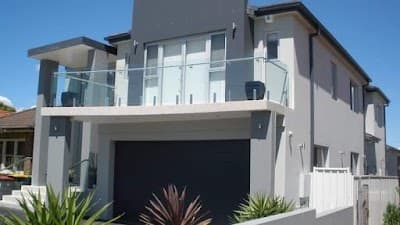
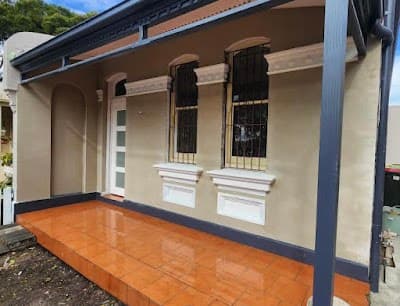
Project GalleryRendering
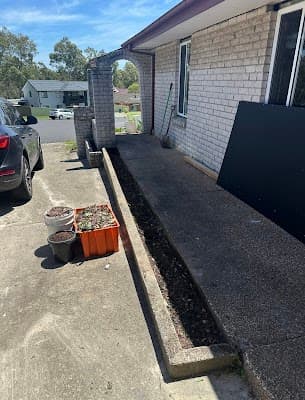
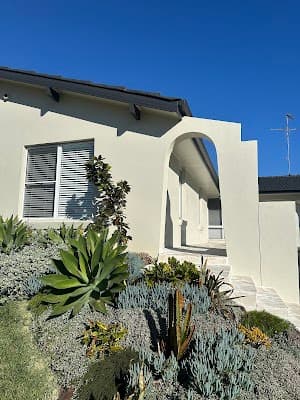
Trust & Reliability
5.0
TradeRefer Score
Rating
11 reviews
0
Connections
Frequently Asked Questions
General Rendering questions for Punchbowl
How much does rendering a house cost in Australia?
Cement render costs $30–$60/m² for labour, plus $10–$20/m² for materials. Acrylic render costs $40–$80/m². A standard double-brick home with 200m² of wall area typically costs $8,000–$16,000 fully rendered. Prices vary significantly by region, access difficulty, and surface condition.
What is the difference between cement render and acrylic render?
Cement render is a sand-and-cement mix applied in multiple coats and painted over. It's durable but can crack over time with building movement. Acrylic render is a polymer-modified system that's more flexible, crack-resistant, and available in integral colours — no painting required. Acrylic is the more modern and preferred choice.
Can you render over existing paint or render?
Generally not recommended — the new render needs to bond to a clean substrate. Old paint or loose existing render must be removed first. Surface preparation (cleaning, removing loose material, applying bonding agent) is critical for adhesion. Rendering over a sound, existing render coat is sometimes possible with the right bonding agent.
How long does render take to cure before painting?
Cement render must cure for a minimum of 28 days before painting with a standard acrylic paint. Painting too early traps moisture and causes paint failure. Sealer coats can sometimes be applied after 7 days. Acrylic render systems are integral colour and don't require painting, but can be painted after full cure.
What causes render to crack?
The main causes are building movement, thermal expansion, shrinkage during curing, insufficient bonding, and structural issues. Hairline cracks are normal and cosmetic. Horizontal or diagonal cracks can indicate structural movement. Applying render too thickly or in hot/dry conditions also causes cracking.
Get a Free Quote
Expect a response within 24 hours.
Refer & Earn
Know someone who needs Rendering services? Refer Pro Coat Applications and earn a reward when the job closes.